
5 Smartphones For Photographers in 2026
TL;DR
For a versatile daily driver, the iPhone 17 Pro Max remains the best all-around. Its strength isn’t raw specs – it’s the seamless, sometimes frustratingly locked, ecosystem. Everything just connects.
The Google Pixel 10 Pro XL is the undisputed AI king. Its magic is in computational photography wizardry, using software to outpace bigger hardware. It sees light and shadow differently.
If you need unparalleled reach, the zoom champion is the Samsung Galaxy S25 Ultra. Its 100× reach paired with a 200MP sensor is for capturing what the eye barely sees. Practical? Rarely. Technically impressive? Absolutely.
For pure hardware dominance, look to the sensor monster: the Xiaomi 15 Ultra. That 1-inch sensor combined with Leica glass swallows more light, creating a depth and clarity others chase in post-processing.
Prioritizing color science and endurance? The Oppo Find X9 Pro is the color perfectionist. Its Hasselblad tuning delivers strangely accurate, ready-to-use hues. The real win is its insane battery life, which outlasts the competition.
Introduction
These days, your smartphone’s camera leaves old pro gear in the dust. Modern flagships pack 1-inch sensors and periscope zooms that defy earlier limits. The real game-changer? The built-in AI, a personal photo editor doing the heavy lifting in real time. That pro gap? It’s practically evaporating.
Looking for a top-tier camera phone in 2026? We put five serious contenders through their paces – these aren’t just upgrades, they’re leaps. Each model tackles photography differently.
Apple’s versatile titan handles mixed lighting scenarios others still fumble. Meanwhile, Xiaomi’s sensor monster pulls in absurd light levels, though processing sometimes overcooks it. They all boast pro-level hardware, sure, but the real fight is in the computational backend. That AI magic isn’t just for show; it enables genuine manual control over depth and motion in post. The result? Shots that might just make your DSLR jealous for quick, spontaneous work. Your choice hinges on whether you prioritize raw sensor performance or balanced, intelligent processing.
What Makes a Great Camera Phone in 2026?
Here’s what separates garbage from glory:
- Sensor size: Bigger = more light. Physics don’t lie.
- Computational photography: AI now handles noise reduction, HDR stacking, and even subject tracking in real-time.
- Zoom capability: Optical beats digital every time. Periscope lenses are the new standard.
- Video chops: 4K is old news. We want LOG profiles and cinema-grade color science.
- Low-light performance: Night modes powered by multi-frame processing.
Apple iPhone 17 Pro Max
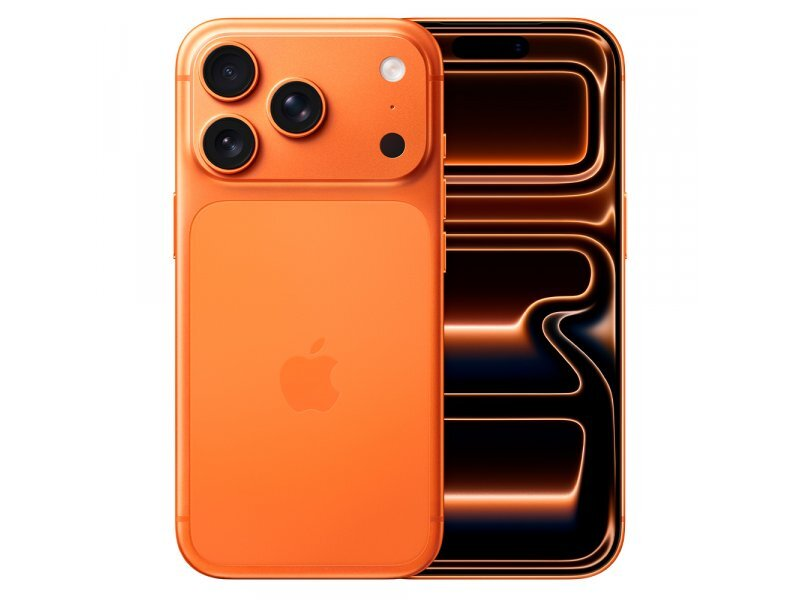
Key Camera Specs
- Rear: 48MP Fusion Main (f/1.78) + 48MP Ultrawide (f/2.2, 13mm) + 48MP Telephoto (f/2.8, 100mm periscope) + LiDAR
- Front: 18MP Centre Stage (f/1.9)
- Video: 4K Dolby Vision, ProRes, ProRes RAW
- Chip: A19 Pro on iOS 26
Standout Photography Features
The iPhone 17 Pro Max camera nails it with 4× tetraprism telephoto that sensor-crops up to 8× without looking like trash. Dual Capture lets you record front and rear simultaneously – clutch for vloggers. ProRes RAW gives you DSLR-level editing flexibility.
Pros and Cons for Photographers
Pros:
✓ Ecosystem integration (AirDrop, iCloud, Mac editing flow)
✓ Best video stabilization in class
✓ Clean, consistent color science
Cons:
✗ Pricey AF
✗ No manual shutter speed control (yet)
Google Pixel 10 Pro XL
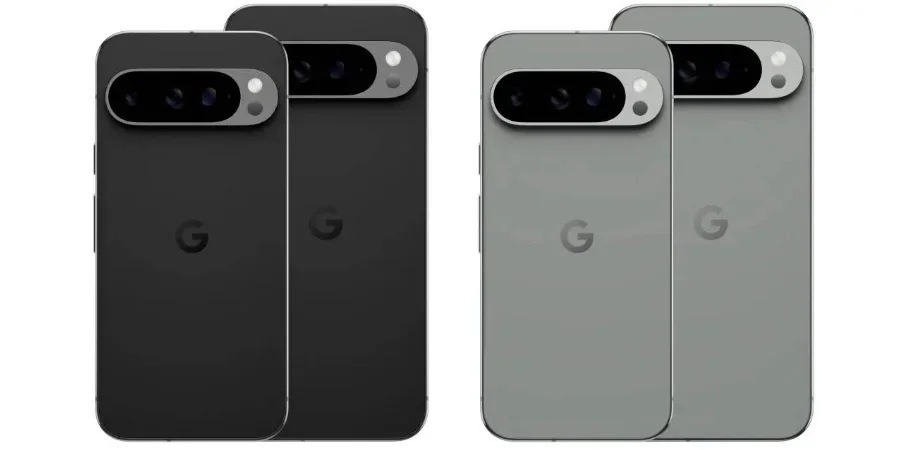
Key Camera Specs
- Rear: 50MP Wide + 48MP Ultrawide + 48MP Telephoto (5× optical)
- Front: 42MP
- Video: 4K Video Boost (cloud AI processing), 10-bit HDR
- Chip: Tensor G5, Android 16, 7-year updates
Standout Photography Features
Google Pixel 10 Pro XL photography is basically cheating. Camera Coach (Gemini AI) gives you real-time composition tips. Pro Res Zoom hits 100× with scary clarity. Night Sight remains unmatched for low‑light photography phone 2026 scenarios.
Pros and Cons for Photographers
Pros:
✓ Insane computational photography
✓ Free unlimited Google Photos storage (high quality)
✓ Point-and-shoot simplicity with pro results
Cons:
✗ Tensor G5 runs warm under heavy use
✗ Manual controls still lag behind Samsung
Samsung Galaxy S25 Ultra
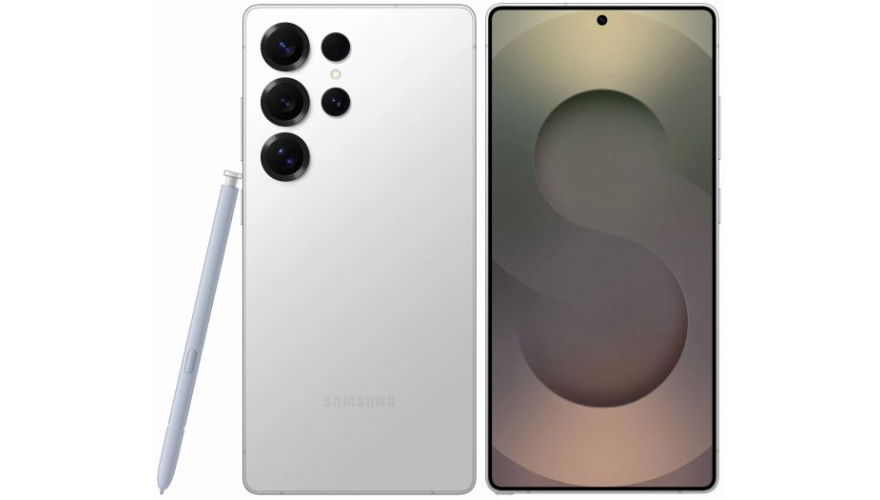
Key Camera Specs
- Rear: 200MP main + 50MP ultrawide + 10MP telephoto (3×) + 50MP telephoto (5×)
- Front: 12MP
- Video: 4K 60fps LOG, S‑Pen support
- Chip: Snapdragon 8 Elite
Standout Photography Features
The Samsung Galaxy S25 Ultra zoom is bonkers. We’re talking about its Space Zoom hitting 100×, but here’s the actual story: that insane reach is now genuinely usable. AI doesn’t just stabilize; it computationally reconstructs details you’d typically lose to handshake and digital noise, making those high-magnification shots worth keeping.
The hardware foundation does the heavy lifting. Samsung’s 200MP sensor doesn’t just create huge photos – it’s how it processes light. Its pixel-binning approach is clever, combining data from 16 pixels into a single, cleaner one. The resulting 12.5MP output is its real strength. This tech cuts noise dramatically, yes, but the bigger win is in dynamic range and color accuracy when it’s almost dark. It registers tonal separations and hues that are practically invisible in the moment, giving you a file with far more usable information than a standard shot.
Pros and Cons for Photographers
Pros:
✓ Zoom range destroys competition
✓ Expert RAW app rivals DSLR software
✓ S-Pen adds unique shooting angles
Cons:
✗ 200MP files eat storage alive
✗ Color science can be oversaturated out of box
Xiaomi 15 Ultra
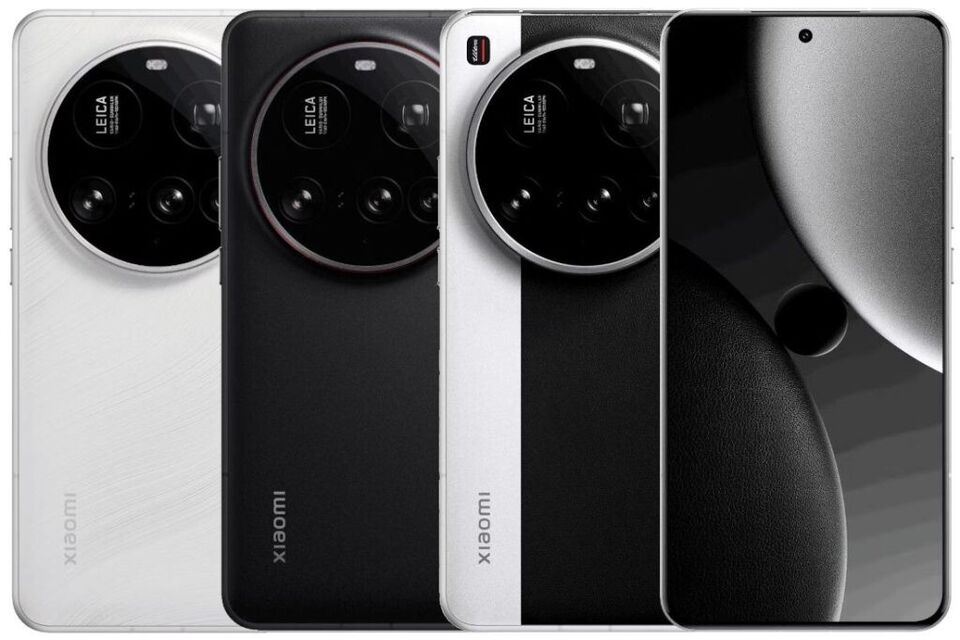
Key Camera Specs
- Rear: 50MP 1-inch wide (f/1.6) + 200MP periscope (f/2.6, 100mm) + 70mm macro (f/1.8)
- Front: 32MP in-display
- Video: 8K, Leica color tuning
- Chip: HyperOS on Android 15
Standout Photography Features
The Xiaomi 15 Ultra sensor is a physical monster – that 1-inch main sensor gathers light like a vampire. Leica Summilux optics deliver buttery bokeh. Optional Photography Kit adds a physical grip, shutter button, and zoom dial. It’s a phone that wants to be a camera.
Pros and Cons for Photographers
Pros:
✓ Best sensor size in any phone
✓ Leica partnership = gorgeous colors
✓ Photography Kit feels pro-grade
Cons:
✗ Availability outside China can be sketchy
✗ HyperOS learning curve for iOS refugees
Oppo Find X9 Pro
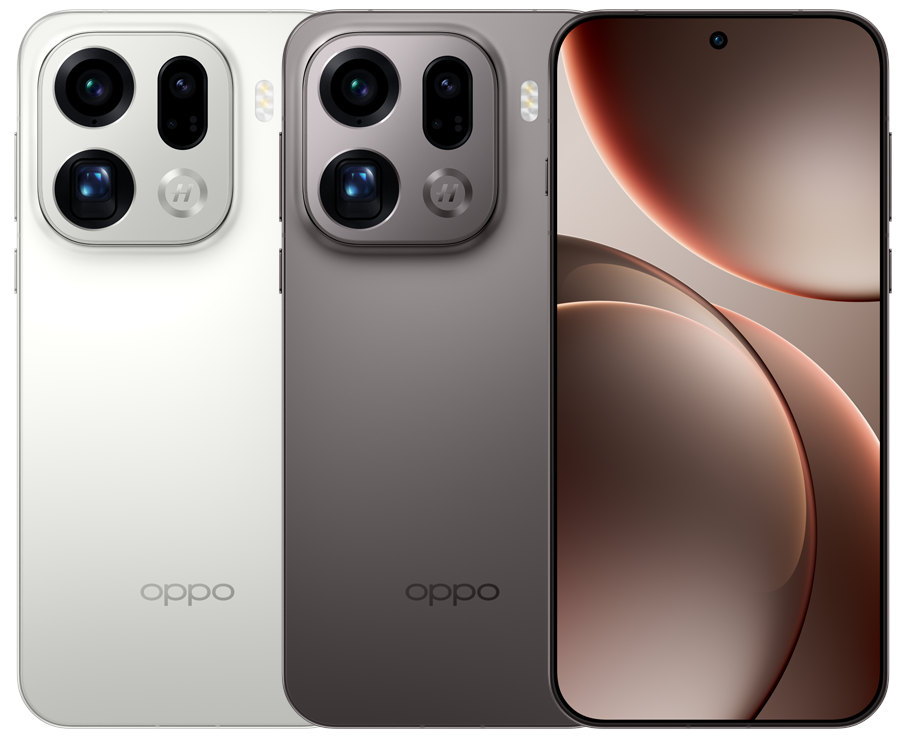
Key Camera Specs
- Rear: 50MP wide (f/1.5, OIS) + 200MP periscope tele (f/2.1, 70mm, 3×) + 50MP ultrawide (f/2.0, 120°)
- Front: 50MP (f/2.0)
- Video: 4K@120fps, Dolby Vision LOG
- Chip: MediaTek Dimensity 9500, Android 16
Standout Photography Features
Oppo Find X9 Pro Hasselblad collaboration means Swedish color science in your pocket. That 7500mAh silicon-carbon battery laughs at day-long shoots. 200MP periscope at 70mm hits sweet portrait range. Gyro-EIS stabilizes 4K@120fps like magic.
Pros and Cons for Photographers
Pros:
✓ Hasselblad colors are chef’s kiss
✓ Battery outlasts everything else
✓ Underrated video capabilities
Cons:
✗ Brand recognition lags in US market
✗ Software updates slower than Pixel/iPhone
Side‑by‑Side Comparison Table
| Phone | Main Sensor | Zoom | Video | Battery | Price |
| iPhone 17 Pro Max | 48MP | 8× optical-quality | ProRes RAW | ~4500mAh | $1399 |
| Pixel 10 Pro XL | 50MP | 100× AI-enhanced | 4K Video Boost | ~5000mAh | $1099 |
| Galaxy S25 Ultra | 200MP | 100× Space Zoom | 4K 60fps LOG | ~5200mAh | $1299 |
| Xiaomi 15 Ultra | 50MP (1-inch) | 200MP periscope | 8K Leica | ~5300mAh | $1249 |
| Oppo Find X9 Pro | 50MP | 200MP (70mm) | 4K@120fps | ~7500mAh | $1149 |
Conclusion
We’ve left “good enough” in the dust. These five beasts aren’t just upgrades – they redefine what a phone can do. Choosing one isn’t about specs alone; it’s about your shooting style and which ecosystem has you locked in.
The iPhone 17 Pro Max remains the all-rounder champ. Reliable, incredibly consistent. For those who swear by computational photography, the Pixel 10 Pro XL is your pick. Its AI doesn’t just assist; it often reads your mind. Samsung Galaxy S25 Ultra owners are the zoom obsessives, capturing details invisible to the eye. The Xiaomi 15 Ultra appeals to the sensor purist, prioritizing raw hardware physics over software tricks. And the Oppo Find X9 Pro? It’s for the photographer who values Hasselblad’s distinct color science and needs a battery that refuses to quit.
Any of these models effectively replaces dedicated gear. Your camera bag sheds weight. The rest is up to you – go make something.
FAQ
Which phone has the best zoom in 2026?
Samsung Galaxy S25 Ultra owns zoom with dual telephoto setup (3× + 5× optical) and 100× Space Zoom. For pure optical quality at distance, it’s the champ.
Is AI photography better than traditional photography?
AI photography isn’t about superiority – it’s a shift in process. What it truly does is amplifies a photographer’s existing skill by automating technical grunt work. Modern algorithms handle things like denoise or exposure blending with terrifying speed. That means you’re freed up, mentally and physically, to chase the decisive moment, to refine a composition on the fly.
In the end, it’s a smart assistant. It just handles the tedious bits. The creative vision – the why of the shot – remains irreducibly human.
What is the best phone for low‑light photography in 2026?
Google Pixel 10 Pro XL crushes darkness with multi-frame Night Sight processing. Close second: Xiaomi 15 Ultra’s massive 1-inch sensor.
Are camera phones finally replacing DSLRs?
For most shooters, absolutely. The smartphone vs DSLR 2026 debate is settled for everyday and semi-pro work. DSLRs still dominate specific niches: think wildlife photography needing massive telephoto reach past 200mm, marathon event coverage where battery life is king, or any grueling 8-hour shoot where ergonomics matter.
But phones now run laps around DSLRs in three key areas. The sensor tech in leading models uses computational tricks DSLRs can’t match. Portability is an obvious win – you always have it. And for getting a shot ready to share, the post-processing speed is instant versus a workflow on a computer. For the majority, the phone is simply the smarter tool.
How important is sensor size in smartphone photography?
Critical. Bigger sensors = better light gathering = cleaner images. That’s why Xiaomi’s 1-inch sensor is a game-changer. But don’t sleep on computational photography – Google proves software can bridge hardware gaps.
About the Author