
TL;DR
For Gamers: Single-thread punch and cache matter most. AMD’s Zen 6 X3D chips or Intel’s Nova Lake high-end models will duke it out. Platform choice (AM5 vs. LGA 1851) determines your upgrade runway.
For Content Creators: Multi-thread throughput wins here. Those NPUs everyone’s hyping? They’ll actually speed up Adobe, DaVinci Resolve, and Blender AI tasks by 2026. High core-count Zen 6 or Intel workstation chips dominate.
For Efficiency Hunters: ARM Windows laptops (Snapdragon successors, maybe even NVIDIA designs) offer insane battery life. Desktop gaming? Still Intel/AMD territory, but watch this space.
The Wild Card: NPU performance becomes a real deciding factor, not just marketing fluff. Software finally catches up.
More Than Just Cores and Clock Speed
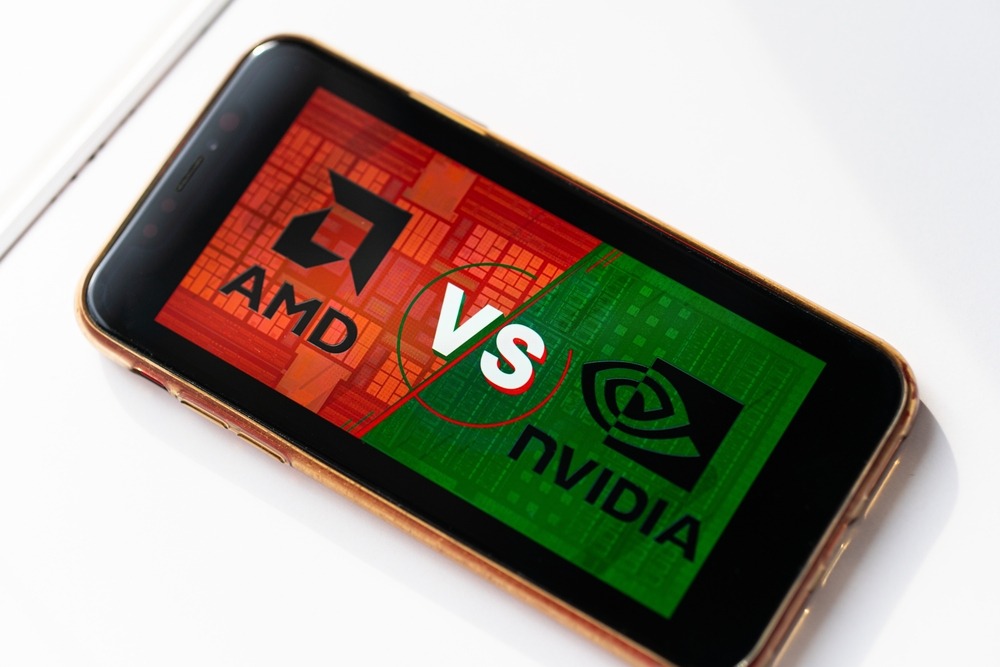
Forget simple GHz wars. Modern CPU 2026 designs juggle three pillars:
- Traditional Cores: P-cores for heavy lifting, E-cores for background tasks
- AI Engines (NPUs): Specialized silicon handling AI workloads without taxing GPU/CPU
- Integrated Graphics: Sometimes shockingly capable
The processor race has split into two distinct philosophies. AMD’s chiplet designs are like modular Lego blocks; they snap together different process tech, which slashes costs and lets them crank out specialized cores. Intel’s counter is hybrid monolithic builds – a tightly integrated gamble that bets everything on perfecting a single, complex slab of silicon. But the real battleground is the pipeline between components. PCIe 6.0 doesn’t just increment speed; it doubles raw bandwidth, forcing a rethink of storage and network bottlenecks. When DDR6 memory lands, it will again shatter current speed ceilings. The focus has shifted: raw compute is a given. Now, everything hinges on how you wire the system and move data. The architecture between the chips is becoming the primary performance determinant.
AMD’s Path: Zen 6 on AM5
AMD’s roadmap runs through Zen 5 (Granite Ridge, 2024) straight into Zen 6 (codename Medusa) landing late 2025/early 2026. Here’s why it matters:
AM5 Socket Longevity: AMD promises support through 2027+. Buy a B650 board now, drop in a Zen 6 beast later. That’s huge for wallet-conscious upgraders.
Expected Zen 6 Features:
- Refined chiplet architecture on TSMC N3E or even N2 process nodes
- Next-gen 3D V-Cache for X3D variants (gaming monsters)
- Beefed-up NPU for Ryzen AI acceleration
- Likely 16-24 cores for mainstream desktop (Ryzen 9000/10000 series)
Laptop chips (Strix Point successors) will pack similar tech into thinner form factors. AMD’s betting big on making their NPU actually useful for on-device AI tasks.
Intel’s Counter
Intel’s three-step dance: Arrow Lake (2024, new LGA 1851 socket) → Panther Lake (2025) → Nova Lake (2026 flagship).
LGA 1851 Platform: Intel’s fresh socket promises multi-generation support. Finally matching AMD’s socket stability play.
Nova Lake’s Big Swing:
- New “Cougar Cove” P-cores (architectural overhaul, not just refinement)
- AI performance integration becomes core design philosophy
- Intel’s advanced “18A” manufacturing process targeting efficiency gains
- Expected to compete directly with TSMC’s bleeding-edge nodes
Laptop lineage (Core Ultra Meteor/Arrow/Lunar Lake) already showcases Intel’s hybrid core approach. By 2026, desktop Nova Lake should perfect this formula.
The ARM Ascendancy
Qualcomm’s Snapdragon X Elite (2024) kicked the door open. By 2026, expect:
- 2nd/3rd-gen ARM Windows chips from Qualcomm
- Possible NVIDIA and AMD ARM designs for Windows
- Microsoft’s Prism emulation layer rivaling Apple’s Rosetta 2 in compatibility
Why It Matters:
- 20+ hour battery life in thin laptops
- Always-on AI capabilities without killing power
- Native app adoption accelerating (Adobe, Microsoft Office, game engines)
Desktop ARM? Still niche for most gamers and power users, but watch this trend. Apple proved ARM can absolutely slap in performance.
Gaming, Productivity, or Everything?
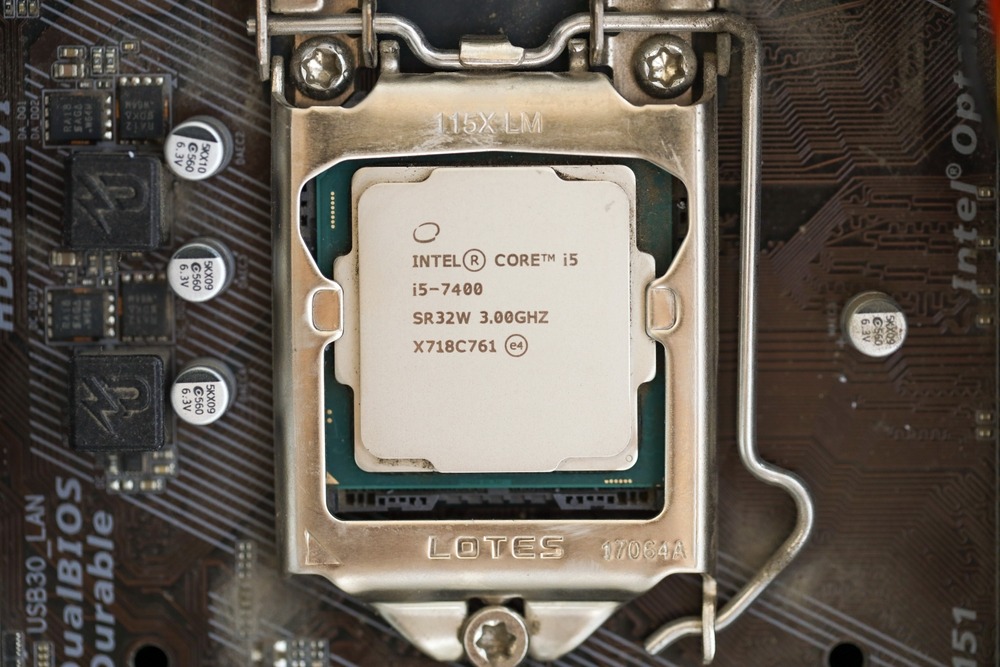
The Ultimate Gaming CPU in 2026
Raw core count? Overrated. What crushes frames:
- Cache size (AMD’s X3D tech still king here)
- Memory latency (architecture efficiency)
- Single-thread speed (game engines love this)
Zen 6 X3D vs. Nova Lake’s top-tier Cougar Cove cores will be the showdown. Realistically, 8-12 cores handle 99% of gaming scenarios, though streamers need a few extra for encoding.
Platform Note: PCIe 6.0 starts mattering when next-gen GPUs drop. Plan accordingly.
CPUs for Video, 3D & AI
Here’s where core count and NPU performance actually matter:
Software Integration by 2026:
- Adobe’s AI Neural Filters offload to NPU (4-6x faster edits)
- DaVinci Resolve’s AI color grading and upscaling
- Blender’s AI-assisted rendering and denoising
- OBS Studio NPU-accelerated background effects
Expect AMD mainstream chips hitting 24+ cores, Intel stacking hybrid cores to similar counts. For absolute monsters, Threadripper and Xeon W platforms still reign.
NPU Power: Intel’s 4th-gen NPU targets 60-80 TOPS (Tera Operations Per Second). AMD’s catching up fast. This isn’t hype – creative software will use it.
CPUs for the Everyday Power User
Gaming, streaming, 15 browser tabs, Discord, Spotify – all at once. You need:
- 12-16 cores (sweet spot for multitasking)
- Solid iGPU (backup/troubleshooting, sometimes good enough)
- Power efficiency (your electric bill thanks you)
Mid-range Zen 6 (Ryzen 9 10600-10800 equivalent) or Nova Lake Core i7/i9 chips fit perfectly. Don’t overspend on top-tier silicon you won’t max out.
Platform, Socket, and Future-Proofing
Your motherboard socket = your upgrade destiny.
Platform Comparison:
| Platform | Confirmed Lifespan | Memory Support | PCIe Gen | Key Advantage |
| AM5 (AMD) | Through 2027+ | DDR5, DDR6 coming | 5.0, 6.0 on new boards | Long upgrade path |
| LGA 1851 (Intel) | 2-3 generations expected | DDR5, DDR6 transition | 5.0, 6.0 high-end | Fresh platform features |
| ARM (Various) | Often soldered | LPDDR5X standard | Varies by vendor | Efficiency, battery life |
Emerging Tech:
- DDR6 Memory: JEDEC spec finalized, products hitting 2025-2026. Base speeds ~8000 MT/s, but expect premium pricing early on.
- PCIe 6.0: Doubles Gen 5 bandwidth (128 GB/s). Overkill now, standard by late 2026.
- Chipset Features: Wi-Fi 7, Thunderbolt 5 (120 Gbps), abundant USB4 ports.
Final Verdict
Your CPU buying guide 2026 decision tree:
- Define primary use: Gaming? Creation? General power use?
- Choose platform: AM5 for proven upgrade path and value. LGA 1851 for Intel’s fresh start and cutting-edge features. ARM for laptop efficiency champions.
- Select performance tier: Don’t overbuy. Mid-range chips often offer 85% of flagship performance at 60% cost.
- Prioritize features: Need NPU for creative work? Strong iGPU for compact builds? Map features to actual usage.
When you choose CPU 2026 options, you’re really choosing an ecosystem. The silicon landscape has splintered into specialized lanes – gamers optimize differently than video editors than efficiency seekers. That’s not confusing. That’s actually refreshing. Match chip to task, platform to longevity, and you’ll build a rig that slaps for years.
The future of CPUs isn’t just faster – it’s smarter, more specialized, and weirdly more interesting than the old megahertz wars ever were.
FAQ
Is AMD or Intel expected to be better for gaming in 2026?
AMD’s X3D cache tech currently dominates gaming benchmarks, and Zen 6 X3D chips will likely extend this lead. Intel’s Nova Lake Cougar Cove cores promise a serious architectural leap though. Expect neck-and-neck competition with AMD edging out in cache-sensitive titles, Intel potentially winning in raw clock speed games. Platform matters too – AM5’s longer support favors AMD for budget-conscious gamers planning upgrades.
How important will the AI Engine (NPU) be in my next CPU?
For general use now? It manages background blur and some OS tricks – helpful but not vital. The shift comes by 2026, especially for creators. Tools like Adobe AI Neural Filters, DaVinci Resolve’s AI tools, and Blender denoising will run directly on the NPU. This isn’t just a minor boost. It dedicates your GPU and CPU to heavier tasks, sidestepping competition for resources. Gamers might not notice much yet, unless they’re using AI for stream production. Verdict: For many, it’s a spec sheet item. For video editors and 3D artists, it becomes essential infrastructure, handling parallel, low-precision tasks that choke traditional cores.
Should I wait for DDR6 and PCIe 6.0 support before buying?
Early DDR6 will just cost too much for tiny real-world gains. A good DDR5 kit, something like 6400 or 7200 speed, is already plenty for most systems you could build today.
PCIe 6.0 will really matter to data centers first. Even high-end graphics cards won’t come close to maxing out current PCIe 5.0 for years. If you’re building a PC now, choose a motherboard with strong DDR5 support and PCIe 5.0 slots. You can always upgrade later, once DDR6 hits its second generation and prices settle down.
What’s the biggest mistake to avoid when choosing a 2026 CPU?
Ignoring platform and socket longevity. That shiny 16-core chip means nothing if its motherboard is a dead-end. Other pitfalls:
- Overpaying for cores you’ll never use (24 cores for gaming = waste)
- Neglecting single-thread performance chasing core count
- Skimping on platform features (cheap chipset = no PCIe lanes, slow storage)
Choose the ecosystem first, then the chip.
About the Author