
TL;DR
Cut through the noise. Here’s what actually matters:
- Best All-Around Power Solution: A 300Wh portable power station with a foldable solar charger for camping (20W minimum).
- Non-Negotiable Safety Tech: A satellite communicator with SOS and two-way messaging. Period.
- Most Versatile Light Source: A waterproof best camping lantern with dimming, red mode, and USB output.
- Game-Changer for Hydration: A camping water purifier that handles viruses, not just bacteria.
Introduction
Forget the old basics; today’s gear is about smart support. Portable power stations mean you’re off-grid but not off-line, running essentials without a whisper. The real upgrade? Satellite communicators. These aren’t just gadgets – they’re a silent backup, letting you venture further responsibly. The tech isn’t about intruding on nature; it’s about deeper integration. You gain confidence to explore precisely because safety’s dialed in. So geek out on the specs. It transforms a trip from a simple escape into a truly supported adventure
Forget the idea that camping requires total disconnection. While unplugging has its draw, integrating thoughtful tech can seriously upgrade your time outside. The right gear doesn’t just add convenience – it fundamentally changes the game.
Think safer: a reliable GPS beacon or weather alert on your phone isn’t a cheat; it’s a critical backup. That’s peace of mind you can’t get from a map alone.
It makes things more comfortable. A compact power bank to revive a headlamp or a lightweight solar shower isn’t about luxury. It’s practical. You conserve energy, stay functional, and extend your trip.
Ultimately, that practicality unlocks more enjoyable moments. You’re not battling dead batteries or worrying about emergencies. You’re freed up to actually be there. The tech becomes invisible, quietly amplifying the core experience – not distracting from it.
1. Power & Electricity
Portable Power Stations
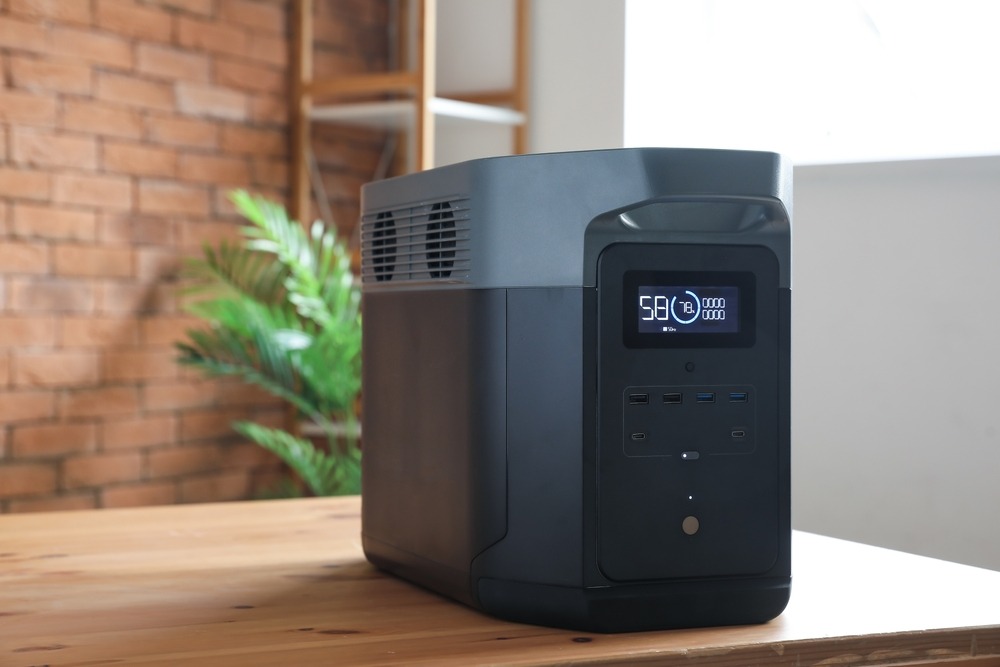
These boxy beasts reshaped how we use power off-grid. At their core, you’ve got a hefty battery pack, typically 200-500Wh. That’s enough to juice your phone a dozen times or run a laptop for a solid workday. The real game-changer is the output selection: standard AC outlets for basic electronics, high-speed USB-C PD for modern gadgets, and occasionally, wireless charging pads for convenience. This lets you run essential gear – think phones, laptops, critical CPAP machines, or even a small electric cooler – all from one source.
The weight is the main trade-off. The heavier units, clocking in at 10-15 lbs, are a no-brainer for car camping where you’re not hauling them far. For base camps where every pound counts, the lighter, lower-capacity options are the practical choice.
Solar Chargers
Foldable panels (20-100W) are a natural match for portable power stations. Here’s the practical catch: charging isn’t instant. Think hours. Take a common 60W panel under ideal sun – it could demand a full 6 to 8 hours to top up a 300Wh unit. You’ll get more juice faster from rigid panels, but then you’re lugging around heavier gear. Pro tip: placement is everything. Always position the panel in direct sunlight, never in partial shade, and tilt it toward the sun for the best angle.
High-Capacity Power Banks
For backpackers counting ounces, a 20,000-30,000mAh power bank is your friend. Modern ones offer USB-C PD for fast charging. Some even handle laptop juice. Just remember: these won’t run a mini-fridge.
2. Navigation
GPS Devices & Handheld Navigators
Dedicated GPS units for hiking don’t just track you – they endure. Think weeks of battery, not hours. They keep a signal locked in a granite canyon where your phone’s screen would be useless. Always download topographic maps before you lose service; your route depends on it. And a model with a barometric altimeter does more than measure height – a sudden pressure drop can signal a storm moving in long before you feel the first drop.
Satellite Communicators & Personal Locator Beacons
This is THE safety investment. Devices like Garmin inReach let you text from anywhere (requires subscription). PLBs are cheaper, SOS-only, no subscription, but they’re one-trick ponies. Either way, in backcountry areas with zero cell service, these gadgets can summon rescue when things go sideways.
Offline-Capable Smartphone Apps
Before heading out, download offline maps via Gaia GPS or AllTrails. Throw in a stargazing app and a digital first aid guide too. Here’s the real hack: switch your phone to airplane mode. This isn’t just about saving battery; it prevents your phone from constantly searching for a dead signal, which drains power fast. Do this, and your battery can realistically last 3-4 days, even in the backcountry.
3. Illumination
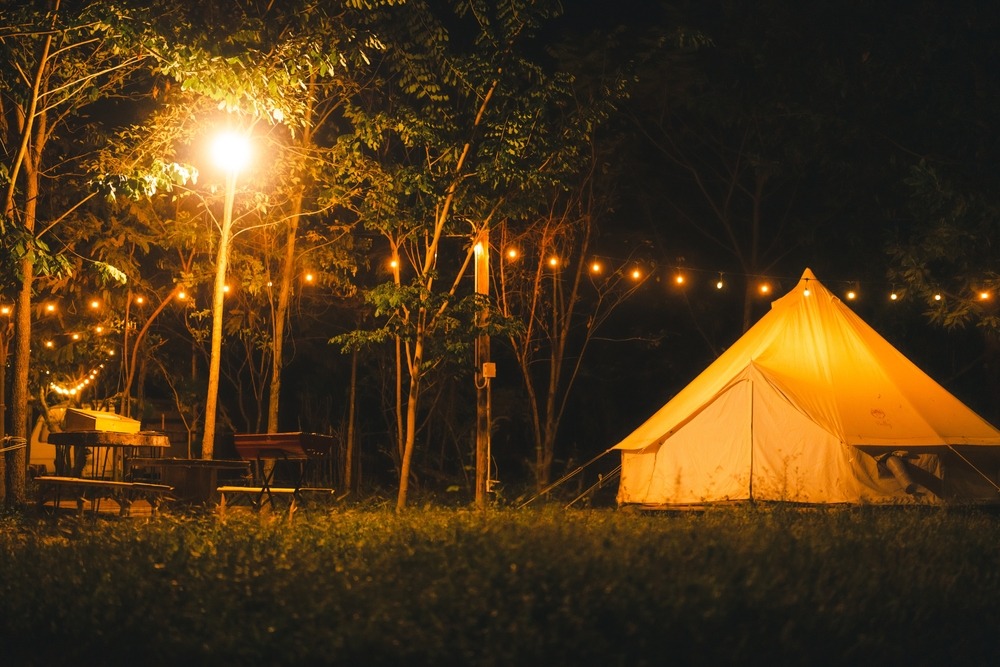
Smart Lanterns with Ambient Features
Modern lanterns do way more than light things up. Look for dimmable LEDs, red light mode (preserves night vision), and built-in power bank functionality. Some even have Bluetooth speakers. Waterproof rating (IPX4+) is non-negotiable.
Powerful & Durable Headlamps
Free hands = happy camper. Go for 300+ lumens, adjustable beam distance, and at least IPX4 water resistance. Rechargeable batteries beat disposables every time. Comfort matters on long night hikes – weight distribution and headband quality make a difference.
Specialty Lighting: Tent String Lights & Area Lights
Solar-powered string lights add ambiance without draining batteries. LED area lights on stakes illuminate cooking zones. These are nice-to-haves but surprisingly boost camp morale.
4. Hydration & Food Preparation Tech
Advanced Water Purifiers & Filters
UV purifiers like SteriPEN zap viruses in 90 seconds. Pump filters offer speed. Gravity filters are hands-free. Straw filters work in a pinch but are slowest. Know what contaminants you’re facing – bacteria, parasites, or viruses – and choose accordingly. Flow rate matters when filling bottles for a group.
| Filter Type | Speed | Removes Viruses? | Best For |
| UV Purifier | Very Fast | Yes | Solo/Duo travelers |
| Pump Filter | Fast | Some models | Groups, murky water |
| Gravity Filter | Moderate | No (unless combined) | Base camp |
| Straw Filter | Slow | No | Emergency backup |
High-Tech Camp Stoves & Grills
Camping stove tech has gotten wild. Wood-burning stoves with USB charging ports (BioLite) turn twigs into electricity. Canister stoves with pressure regulators work in freezing temps. Connected grills with Bluetooth thermometers? Overkill but awesome.
Portable Coffee Makers & Electric Coolers
Morning coffee hits different in the woods. Compact espresso makers run on hot water or batteries. Electric coolers (12V) keep food cold on road trips without messy ice. They’re pricey but worth it for extended trips.
5. Shelter & Comfort Tech
Weather Monitoring Tools
A weather radio for camping with NOAA alerts warns about incoming storms. Portable weather stations track barometric pressure changes. Both are legitimately useful in mountainous terrain where weather flips fast.
Climate Control: Fans & Heaters
Battery-powered tent fans make summer camping bearable. Portable heaters designed for tent use (always check safety ratings) extend shoulder seasons. Never use propane heaters in sealed tents – carbon monoxide kills.
Tech-Enabled Sleeping Aids
White noise machines mask campground sounds. Battery-heated blankets feel like luxury. Neither is essential, but comfort tech helps light sleepers actually rest.
6. Entertainment & Miscellaneous Gadgets
Portable Projectors & Solar Showers
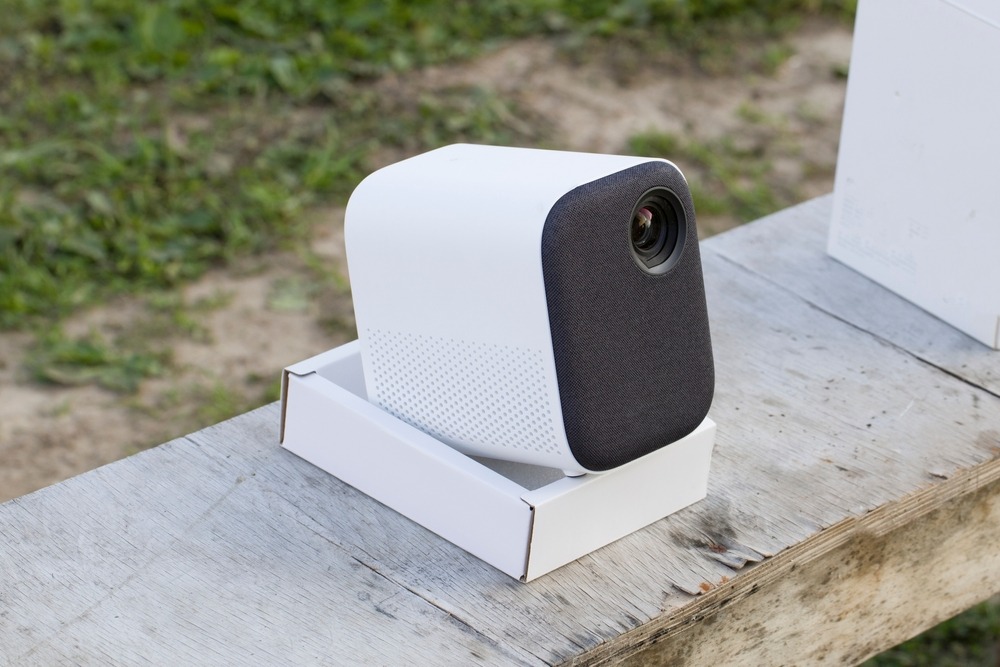
Projectors for outdoor movie nights scream “glamping.” Solar showers with temp gauges beat freezing creek baths. Both add comfort for longer stays.
Drones for Outdoor Photography
Aerial footage is tempting, but check regulations first. Many wilderness areas ban drones. When legal, keep flights short and respect wildlife.
Rugged Action Cameras
Waterproof, shockproof cameras document adventures without babying. GoPros and their competitors handle rain, drops, and dusty trails without complaint.
Building Your Tech Kit
Don’t buy everything at once. Prioritize smartly:
- Phase 1 (Safety & Basics): 20,000mAh power bank, quality headlamp, offline map apps, basic water filter.
- Phase 2 (Core Comfort): 300Wh power station, solar panel, GPS device, proper lantern.
- Phase 3 (Advanced Gear): Satellite communicator, electric cooler, premium water purifier, weather station.
Start cheap, upgrade what you actually use. Borrowed or rented best camping gear helps you test before investing.
Final Thought
Smart outdoor technology works best when it’s invisible. It should fix a genuine pain point – like a compact water purifier that guarantees safe drinking anywhere – not just add another blinking screen to your pack. The right gear solves problems quietly, letting you focus on the camping itself, not the gadgets. Choose tools that serve the trip, not the other way around.
FAQ
What is the single most important piece of camping tech I should buy?
Hands down, a reliable way to call for help where cell service dies – a satellite communicator or PLB. Safety trumps everything else. The prettiest sunset photo means nothing if you can’t get rescued when injured.
Can I rely solely on smartphone for navigation and lighting?
For front-country camping near roads? Maybe. For backcountry? Absolutely not. Phones drain fast, screens crack, and they’re useless without signal. Always pack dedicated, rugged backup devices. Murphy’s Law loves the wilderness.
How do I keep all outdoor tech charged on a multi-day trek?
Start with a high-capacity power bank. Aim for at least 20,000mAh. That’s your core. Then, add a compact solar panel. Clip it to your pack while hiking. It’s undoubtedly useful for topping up power bank under good sun. Be aggressive with power-saving on devices. Use airplane mode, keep brightness low, and switch on GPS only when necessary.
Are solar-powered gadgets really effective?
Yes, but manage expectations. They work best in direct, unobstructed sunlight. Cloudy days cut efficiency by 60-80%. Tree cover makes them nearly useless. They excel at trickle-charging batteries over a full day but charging phones directly takes forever. Think of them as backup, not primary power.
About the Author